
FROM THE EXCEED IT BLOG
Evaluating Cross-Platform Frameworks: A Technical Checklist for Buyers
Published
Adapted from our archive; the original author credit is retained. About this attribution.
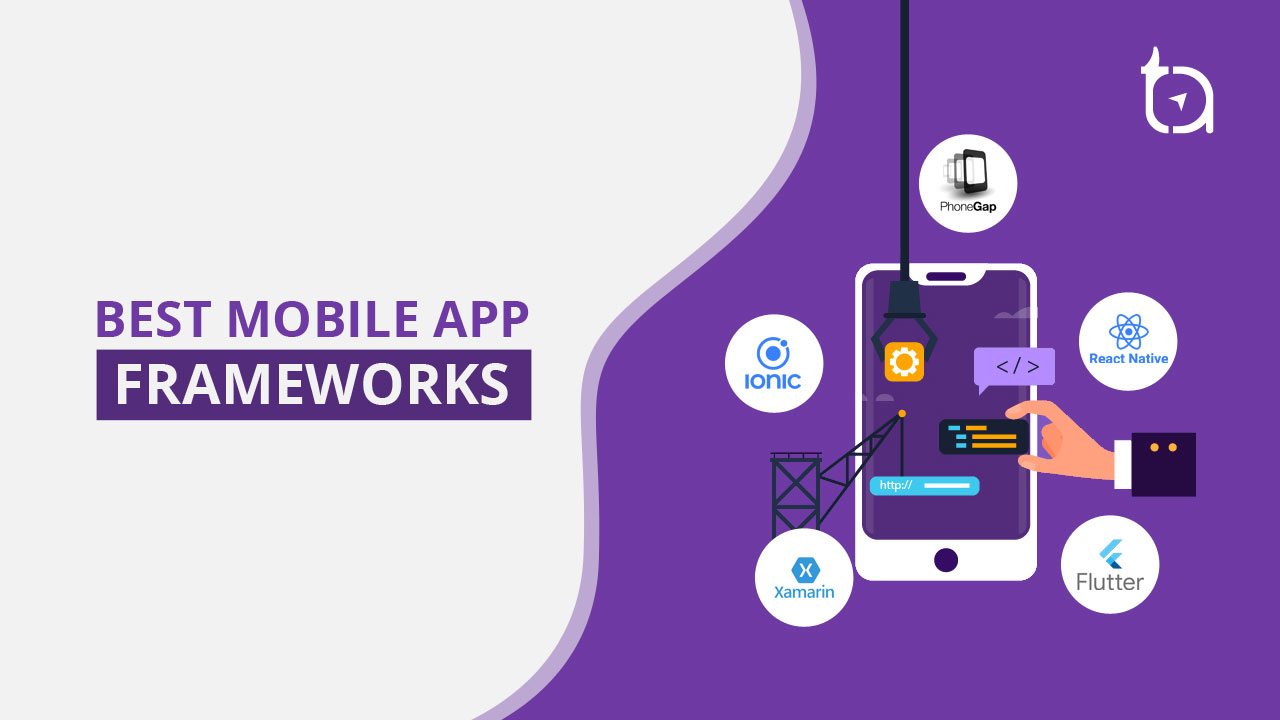
A framework shortlist is useful only when it is tested against the product's requirements. General rankings rarely reveal whether a particular payment SDK, offline workflow or accessibility requirement will work well in your application. Evaluate the complete delivery stack, not just the framework's homepage.
Build a requirement-to-capability matrix
List the capabilities that matter and the evidence for each option. Distinguish built-in support, a maintained third-party library, custom platform work and an unresolved question. Include the supported operating systems and the versions relevant to your audience.
For a hardware integration, use the actual SDK and representative device. A sample app showing a button and a list does not test the requirement that could change your architecture decision.
Review dependencies and maintenance
A framework can be actively maintained while an essential plugin is not. Check the dependencies needed for camera access, authentication, maps, payments and other important functions. Ask who will update or replace them when platform requirements change.
Do not treat retired tools as ordinary new-project recommendations. Microsoft's Xamarin policy and the archived PhoneGap repository show why old framework lists need review. An existing app on those stacks needs a specific maintenance or migration assessment.
Test builds and release workflows
The team should be able to create a reproducible release for each target platform. Document the required accounts, signing configuration, environments and deployment steps. A development preview is not the same as a distributable app.
Include a small proof of the release process when technical uncertainty is high. It is better to discover a critical dependency problem before most product screens have been built.
Evaluate user experience and performance in context
Use a representative workflow with realistic data volumes. Test scrolling, input, screen transitions and any media or background work that matters. Performance should be measured on relevant devices, not inferred solely from the framework category.
Check accessibility and platform conventions. Shared code should not make controls confusing to people who rely on larger text, screen readers or familiar navigation behaviour.
Compare team capability and ownership
Ask how the supplier handles platform-specific code and difficult dependency failures. A team needs enough knowledge of the underlying platforms to diagnose problems that shared abstractions do not hide.
Consider the receiving team as well. Documentation, test coverage and a clear dependency strategy can make future maintenance more practical. A fashionable stack with no handover plan may be harder to own than a less fashionable but well-supported implementation.
Record the evidence and remaining risks
Choose the approach that meets the required journeys with acceptable tradeoffs. Record unresolved questions and the tests that will settle them. Avoid unsupported guarantees about universal speed, lower cost or identical behaviour across platforms.
Read our business-level platform guide, native comparison and software handover Insight to connect the technical decision with long-term product ownership.